
A typeface gets chosen for how it looks. How it loads is usually an afterthought — and it's often the bigger factor in how the page actually feels.

A typeface gets chosen for how it looks. How it loads is usually an afterthought — and it's often the bigger factor in how the page actually feels.

Dropping in next/image and moving on is the most common way teams end up with a component doing less than they think it is.

The instinct is to pick one rendering strategy for the whole app. Next.js was built around the idea that most pages don't need the same answer.

Streaming solved the problem of finding music and quietly created a new one: none of it is actually yours. A small but real market for physical media is the result.
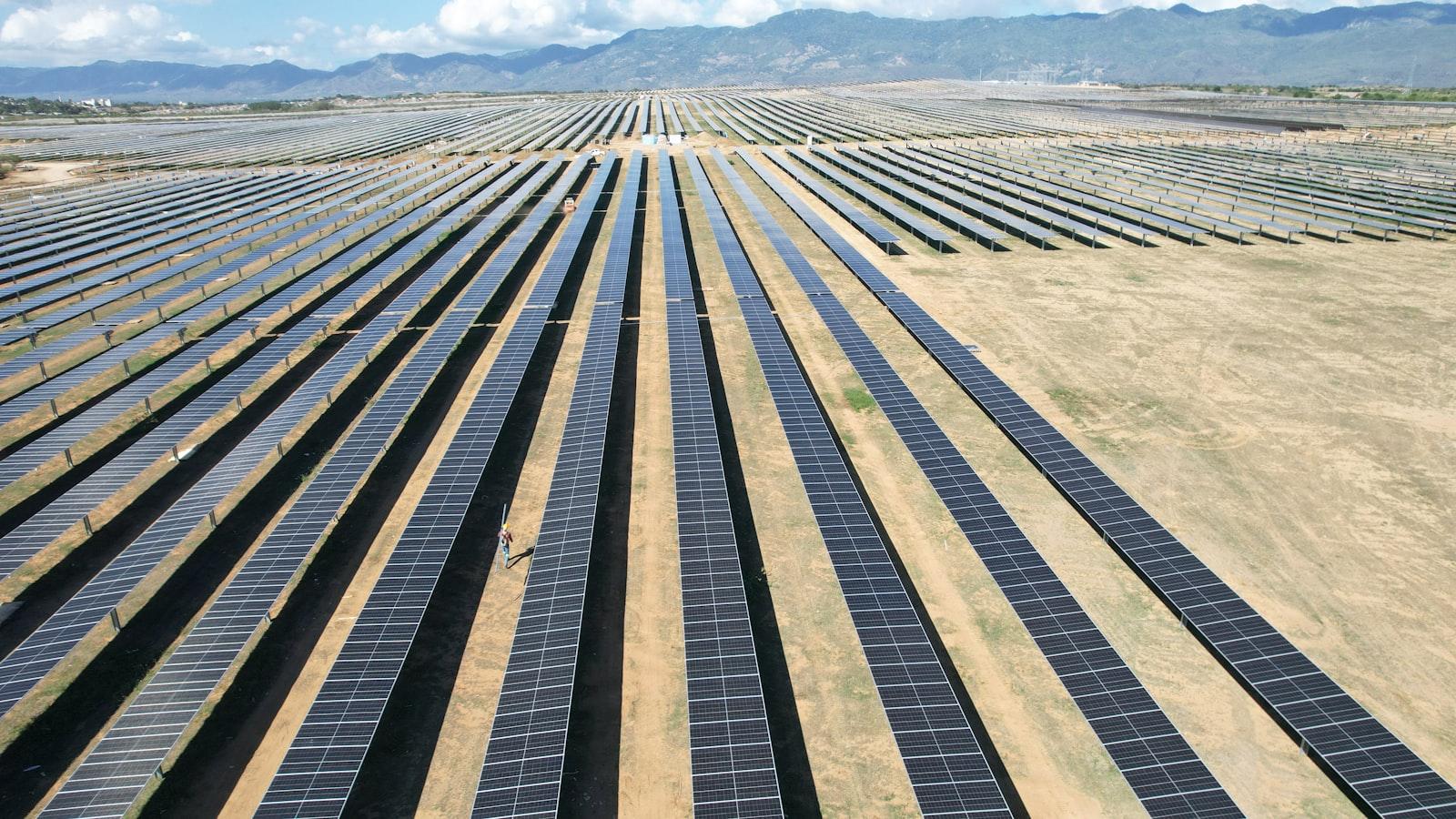
Solar panels and wind turbines get the photos. The part actually holding the transition back is a lot less photogenic.

The phrase went from meaning something specific to meaning almost nothing, somewhere around the point every product needed one.

The framework part of a migration is usually the part that goes fine. What actually eats the timeline is everything the old system did to content that nobody wrote down.

A tag manager, a chat widget, an A/B testing library — each one gets added for a specific reason, and almost none of them ever get removed once that reason has passed.

Consolidating multiple projects into one repository solves real coordination problems. It doesn't automatically solve the ones that were never about the repository boundary.

Shipping a shared component library is the easy part. What actually makes it a design system is whether teams trust it enough to stop building their own versions.

Time-based regeneration means content is stale for some window no matter what. On-demand revalidation trades the clock for a signal — at the cost of needing something to send it.

A static site has a smaller attack surface than a server-rendered one, and it's easy to let that fact stand in for actually configuring security headers.